
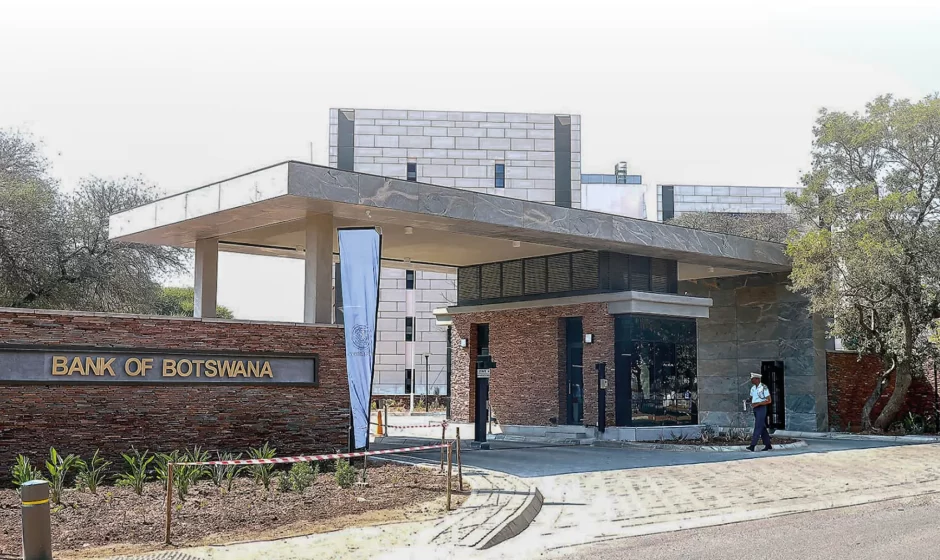

As liquidity pressures intensified in Botswana during 2025, Bank of Botswana stepped in with decisive interventions to stabilise the financial system. Declining diamond revenues and reduced government spending had slowed money circulation, exposing the economy’s structural dependence on mineral-funded liquidity.
The central bank responded by cutting reserve requirements to zero, releasing P1.8 billion into the banking system, extending repurchase agreement maturities, and adjusting foreign exchange thresholds to improve flexibility. It also raised the Monetary Policy Rate while keeping prime lending rates unchanged to balance liquidity support with credit stability.
These measures eased immediate pressure, with banks maintaining liquidity ratios above regulatory thresholds. However, the underlying challenge remains structural. Botswana’s banking sector relies heavily on concentrated deposits and wholesale funding from pension and insurance institutions, increasing vulnerability during shocks.
While the interventions bought time and preserved confidence, sustainable relief depends on broader economic diversification. Monetary policy can stabilise liquidity, but long-term resilience will require growth beyond diamonds.