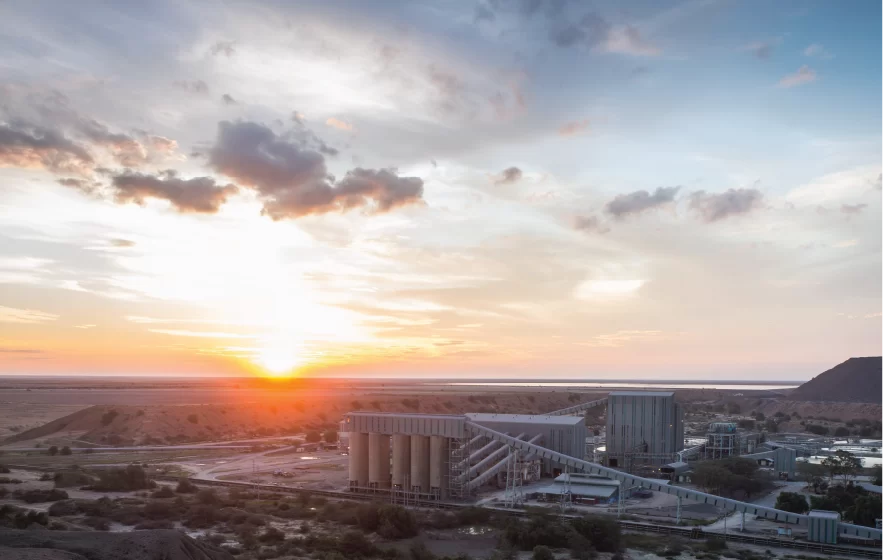

For more than five decades, Botswana has stood as one of Africa’s greatest economic success stories. Diamond revenues transformed the country, funding roads, schools, hospitals and public institutions while creating decades of stability and growth.
But every successful economic model is eventually tested.
As global diamond demand weakens, government revenues have come under pressure. Public spending is tightening, infrastructure projects are slowing, procurement cycles are lengthening, and businesses that once relied on consistent government expenditure are feeling the effects.
For decades, government served as Botswana’s primary economic engine. Businesses supplied ministries, serviced public projects and depended on government contracts as a reliable source of income. That model created prosperity—but it also concentrated economic risk.
Today, many companies are discovering the consequences of relying too heavily on a single customer. Reduced government spending has exposed vulnerabilities that remained hidden during years of abundance. Businesses built around public procurement are being forced to adapt, diversify or scale back operations.
The same lesson applies across the broader economy. For generations, many Batswana associated opportunity with government employment or industries closely tied to the public sector. While that expectation reflected the realities of Botswana’s growth model, today’s economic environment demands a different approach.
Yet this is not a story of economic decline. It is a story of transition.
Across the country, entrepreneurs continue to launch businesses, private investment continues to grow, and companies serving consumer and regional markets are finding new opportunities. Their resilience comes from diversified revenue streams, broader client bases and business models that extend beyond government spending.
That principle is equally important at a national level.
Botswana’s long-term competitiveness will depend on strengthening industries beyond diamonds, including financial services, tourism, agriculture, manufacturing, technology and logistics. Diversification is no longer simply a policy objective; it is an economic imperative.
Commodity cycles are inevitable. Markets shift, industries evolve and government priorities change. The economies that remain resilient are those supported by multiple engines of growth rather than a single source of prosperity.
Diamonds built modern Botswana, and their contribution remains extraordinary. But the next chapter of the country’s development will be defined not by how much wealth its natural resources generate, but by how effectively it transforms that wealth into a dynamic, diversified and self-sustaining economy.
That is the true measure of long-term economic resilience.